+91 9619555169

chiropractorbalasaheb@gmail.com

Follow Us:

Conditions We Treat

Chiropractor in Mumbai

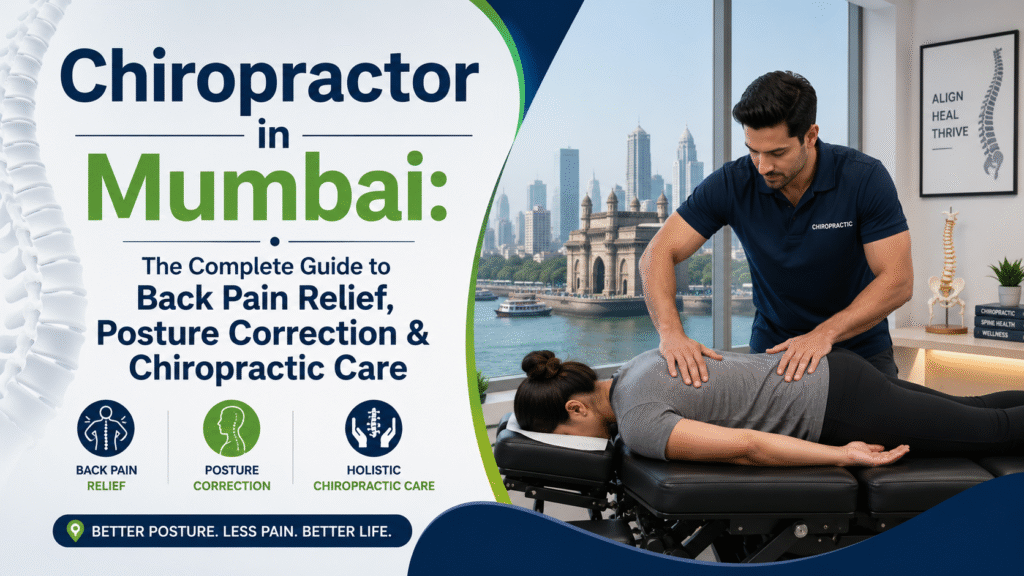
Chiropractor in Mumbai: The Complete Guide to Back Pain Relief, Posture Correction & Chiropractic Care

Chiropractor in Mumbai: The Complete Guide to Back Pain Relief, Posture Correction & Chiropractic Care If you’re looking for a chiropractor in Mumbai, you’re not alone. Back pain has become one of the most common health concerns in modern life. Whether you spend long hours at a desk, travel daily through Mumbai’s traffic, play sports, or frequently lift heavy objects, your spine experiences constant stress. What often starts as mild discomfort can gradually develop into chronic lower back pain, neck stiffness, poor posture, sciatica, headaches, or reduced mobility. According to global health research, musculoskeletal disorders are among the leading causes of disability worldwide, with lower back pain affecting millions of people every year. Many individuals rely only on painkillers for temporary relief, but medication often addresses the symptoms rather than the underlying cause. This is where chiropractic care plays an important role. A qualified chiropractor in Mumbai focuses on identifying spinal misalignments, joint restrictions, muscle imbalances, and posture-related problems that may be contributing to persistent pain. Through evidence-informed manual therapy, spinal adjustments, mobility exercises, posture correction, and lifestyle guidance, chiropractic treatment aims to improve movement and help reduce pain without surgery for many suitable conditions. If you’re searching for the best chiropractor in Mumbai, it’s important to choose a practitioner who takes time to understand your condition, performs a thorough assessment, and creates a personalized treatment plan. One such clinic is Chiropractor Balasaheb, known for providing patient-focused chiropractic care for people experiencing back pain, neck pain, posture problems, sciatica, sports injuries, and other musculoskeletal conditions. Rather than offering a one-size-fits-all approach, the clinic emphasizes individualized care, education, and long-term spinal health. Whether you’re dealing with years of chronic discomfort or you’ve recently developed pain after an injury, understanding how chiropractic care works can help you make informed healthcare decisions. This guide explains everything you need to know before booking an appointment with a chiropractor in Mumbai. What Does a Chiropractor Do? Many people believe chiropractors only “crack backs.” In reality, chiropractic care is a comprehensive healthcare discipline focused on diagnosing and managing disorders related to the musculoskeletal system, particularly the spine, joints, muscles, and nervous system. A chiropractor evaluates how your body moves, identifies restrictions in joint mobility, and develops a treatment plan designed to improve function while helping reduce pain. Chiropractic treatment may include: Unlike treatments that focus only on pain relief, chiropractic care aims to improve the body’s overall movement and function. How Spinal Adjustments Work The spine protects the spinal cord, which plays a vital role in communication between the brain and the rest of the body. Poor posture, repetitive movements, injuries, prolonged sitting, or muscle imbalance may affect normal joint movement. Chiropractic adjustments use controlled manual techniques to improve spinal mobility where appropriate. The goal is to: Many patients notice improvements when chiropractic treatment is combined with exercise, posture education, and healthy daily habits. Conditions Chiropractors Commonly Treat A chiropractor for back pain may also help manage several other musculoskeletal concerns, depending on the patient’s condition and appropriate clinical assessment. These include: Condition Chiropractic Approach Lower back pain Spinal assessment, manual therapy, exercise guidance Neck pain Cervical mobility techniques, posture correction Sciatica Nerve mobility, spinal assessment, rehabilitation Poor posture Ergonomic advice, strengthening exercises Headaches Evaluation of neck-related mechanical causes where appropriate Shoulder pain Joint mobility and muscle rehabilitation Sports injuries Functional movement restoration Muscle stiffness Soft tissue therapy and stretching Joint dysfunction Manual adjustment and mobility training Workplace strain Ergonomic correction and rehabilitation Benefits of Chiropractic Care When delivered by an experienced practitioner following an appropriate assessment, chiropractic care may provide benefits such as: Results vary depending on the individual’s condition, overall health, and adherence to the recommended treatment plan. Who Needs Chiropractic Treatment? Chiropractic care is not limited to people with severe back pain. Many individuals seek treatment to improve mobility, posture, and quality of life. Office Workers Spending eight to ten hours at a computer often leads to: Regular movement, ergonomic adjustments, and chiropractic care may help address these issues. Students Students frequently spend long hours studying on laptops or using smartphones. Common problems include: Drivers Taxi drivers, truck drivers, and commuters often remain seated for extended periods. This may contribute to: Athletes Sports place repetitive stress on muscles and joints. Athletes often visit chiropractors for: Elderly Adults As we age, joints naturally lose flexibility. Older adults may seek chiropractic care to help manage: Treatment should always be adapted to the individual’s medical history and overall health. Pregnant Women Some pregnant women experience: Chiropractic care during pregnancy should only be provided by practitioners trained in treating pregnant patients and after appropriate medical consideration. People Recovering from Injury Those recovering from: may benefit from rehabilitation-focused chiropractic care as part of an overall treatment plan. 20 Signs You Should Visit a Chiropractor If you experience any of the following symptoms, it may be worth consulting a chiropractor in Mumbai for an evaluation: If symptoms are severe, persistent, or accompanied by numbness, weakness, bowel or bladder changes, fever, unexplained weight loss, or trauma, seek prompt medical evaluation, as these may require urgent care. Chiropractor for Back Pain Back pain is one of the most common reasons people search for a chiropractor for back pain. While some cases improve with rest, others continue for weeks or months because the underlying mechanical issue remains. Common Causes of Back Pain Lower Back Pain Lower back pain often develops gradually. Common triggers include: Treatment may include manual therapy, mobility exercises, strengthening programs, and posture correction. Sciatica Sciatica occurs when the sciatic nerve becomes irritated or compressed, leading to symptoms that can include: Not all leg pain is sciatica, so a professional assessment is important to determine the underlying cause. Slipped Disc (Herniated Disc) A herniated or “slipped” disc can contribute to back pain and nerve-related symptoms. Management depends on the severity of the condition. Chiropractic care may be appropriate for some patients after a thorough assessment, while others may require medical imaging, medication, or referral to another specialist. Muscle Stiffness


Chiropractor in Mumbai: The Complete Guide to Back Pain Relief, Posture Correction & Chiropractic Care Read More »

Best Neck Pain Treatment in Mumbai | Expert Chiropractor

Best Neck Pain Treatment in Mumbai | Expert Chiropractor for Lasting Relief

Best Neck Pain Treatment in Mumbai | Expert Chiropractor for Lasting Relief Neck pain can make even simple daily tasks feel difficult. Turning your head while driving, working on a computer, looking at your phone, or even sleeping comfortably may become a challenge. If you wake up with a stiff neck every morning or notice pain spreading to your shoulders or arms, it may be time to understand what is causing your discomfort. Modern lifestyles have made neck problems more common than ever. Long hours at a desk, poor posture, stress, and constant smartphone use place extra strain on the muscles and joints of the neck. While some cases improve with rest and self-care, ongoing or recurring pain deserves a proper assessment. A neck problems chiropractor focuses on evaluating how the joints, muscles, posture, and movement of the spine may contribute to neck discomfort. Depending on the cause of your symptoms, chiropractic care may help improve mobility, reduce pain, ease muscle tension, and support better posture as part of a personalized treatment plan. Chiropractic treatment is not suitable for every condition, so a thorough examination is important before beginning care. At Chiropractor Balasaheb, every patient receives an individual assessment to understand the underlying mechanical factors contributing to neck pain. Treatment recommendations are based on clinical findings, your health history, and your personal goals. Along with hands-on care, patients receive guidance on posture, stretching, exercise, and daily habits that may help reduce strain on the neck over time. In this guide, you’ll learn about the common causes of neck pain, warning signs that require medical attention, how chiropractic care may help appropriate patients, and practical steps to keep your neck healthy. What Causes Neck Pain? Neck pain is a symptom rather than a disease itself. Many different conditions can affect the muscles, joints, discs, ligaments, and nerves of the cervical spine. Understanding the cause is the first step toward choosing the right treatment. Poor Posture Poor posture is one of the most common reasons people seek neck pain treatment in Mumbai. Sitting with rounded shoulders, leaning toward a computer screen, or slouching for long periods increases stress on the neck muscles and joints. Over time, these small daily habits may contribute to: Improving posture often plays an important role in managing mechanical neck pain. Text Neck Many people spend several hours each day looking down at smartphones or tablets. This habit, often called “text neck,” places increased load on the cervical spine. Common symptoms include: Regular movement breaks and ergonomic changes may help reduce strain. Long Office Hours Office workers frequently develop neck discomfort because they remain in one position for extended periods. Contributing factors include: A combination of ergonomic improvements and movement throughout the day may help reduce symptoms. Muscle Strain Neck muscles can become strained after: Muscle strain often causes soreness, stiffness, and pain during movement. Most mild strains improve over time, but persistent symptoms should be evaluated. Cervical Spondylosis Cervical spondylosis refers to age-related changes affecting the joints and discs of the neck. These changes become more common with age and may contribute to neck pain, stiffness, and reduced movement. Some people have imaging findings of cervical spondylosis without symptoms, while others may experience discomfort that affects daily activities. Management depends on symptoms, physical examination, and overall health rather than imaging findings alone. Herniated Cervical Disc The discs between the neck vertebrae act as cushions. When part of a disc bulges or herniates, nearby nerves may become irritated. Possible symptoms include: Because these symptoms can have different causes, a careful assessment is important before treatment. Whiplash Injuries Whiplash commonly occurs after road traffic accidents or sudden impacts during sports. People may notice: Recovery varies depending on the severity of the injury. Persistent symptoms should be assessed by a qualified healthcare professional. Sports Injuries Athletes involved in contact sports, weightlifting, cycling, gymnastics, or racket sports may develop neck pain from overuse or sudden injuries. Early assessment and appropriate rehabilitation may help support a safe return to activity. Stress and Muscle Tension Emotional stress often causes muscles around the neck and shoulders to tighten. Over time, this tension may contribute to aching, stiffness, and tension-type headaches. Managing stress through relaxation techniques, regular exercise, sleep, and healthy work habits may help reduce muscle tightness. Common Symptoms of Neck Problems Neck pain does not feel the same for everyone. Some people experience mild stiffness, while others develop pain that affects work, driving, or sleep. Common symptoms include: Neck Stiffness Difficulty turning your head from side to side is one of the most common complaints. Stiffness may be worse after sleeping or sitting for long periods. Reduced Neck Movement You may notice difficulty looking over your shoulder while reversing a car or checking traffic. Limited range of motion often develops gradually. Shoulder Pain Pain may spread from the neck into the shoulders and upper back because the muscles in these areas work closely together. Headaches Problems involving the neck joints or muscles may contribute to headaches in some individuals. These are often called cervicogenic headaches, although headaches have many possible causes and require proper assessment. Arm Pain, Tingling, or Numbness When nerves become irritated, pain may travel from the neck into the shoulder, arm, or hand. Tingling or numbness should not be ignored, especially if symptoms are worsening. Muscle Spasms Tight muscles may feel like painful knots and make it difficult to move the neck comfortably. Pain While Driving Turning your head to check blind spots may become painful or difficult. Pain After Sleeping Poor sleeping posture or an unsupportive pillow may lead to morning neck stiffness and discomfort. When Should You Visit a Neck Problems Chiropractor? Many mild cases of neck pain improve within a few days. However, recurring or persistent symptoms deserve professional evaluation. You should consider seeing a chiropractor for neck pain if: A chiropractor can assess posture, joint movement, muscle function, and spinal mechanics to determine whether chiropractic care may be appropriate or whether referral to another healthcare

Best Neck Pain Treatment in Mumbai | Expert Chiropractor for Lasting Relief Read More »

sciatica chiropractic treatment

Sciatica Chiropractic Treatment in Mumbai | Book Now

Sciatica Chiropractic Treatment in Mumbai | Book Now Sciatica can make even simple daily activities—such as walking, sitting, driving, or getting out of bed—painful and frustrating. If you’re searching for Sciatica Chiropractic Treatment in Mumbai, you’re likely looking for a non-surgical approach that may help reduce pain, improve movement, and support your recovery. Sciatica is not a condition itself but a collection of symptoms caused by irritation or compression of the sciatic nerve, the largest nerve in the human body. The pain often starts in the lower back or buttock and travels down one leg. Depending on the underlying cause, symptoms can range from mild discomfort to severe pain, tingling, numbness, or muscle weakness. Many people initially ignore these symptoms, assuming they will disappear on their own. However, persistent or worsening sciatic nerve pain can interfere with work, exercise, sleep, and everyday activities. Seeking an early assessment may help identify the underlying cause and guide appropriate treatment before symptoms become more difficult to manage. In Mumbai, many individuals explore non-surgical sciatica treatment options before considering more invasive procedures. Chiropractic care for sciatica focuses on evaluating spinal and joint function, improving mobility, supporting healthy posture, and developing a personalized treatment plan based on each person’s condition. While chiropractic treatment is not suitable for every cause of sciatica and does not guarantee a cure, it may be recommended as part of a broader conservative care plan for selected patients. This guide explains what sciatica is, why it develops, common symptoms, when to seek professional care, and how a chiropractor for sciatica may help you manage symptoms through evidence-informed, non-invasive treatment. Table of Contents What Is Sciatica? Sciatica refers to pain caused by irritation, inflammation, or compression of the sciatic nerve. Rather than being limited to the lower back, the pain typically follows the path of the nerve from the lower spine through the buttock and down the back of the leg. The sciatic nerve begins in the lumbar spine and sacral region, combining several nerve roots before traveling through each leg. Because this nerve controls both sensation and muscle function in much of the lower limb, irritation can produce a variety of symptoms beyond pain alone. How Does Sciatica Cause Pain? When one or more nerve roots become compressed or irritated, pain signals travel along the sciatic nerve. As a result, discomfort is often felt in areas far away from the actual source of the problem. Typical pain may travel through: Many people are surprised that severe leg pain may actually originate from a problem in the lower spine. Sciatica vs. General Lower Back Pain Although they are sometimes confused, lower back pain and sciatica are not the same. Lower Back Pain Sciatica Usually stays in the back Travels down one leg Often muscular Often nerve-related May improve with rest May worsen with prolonged sitting Localized discomfort Tingling, numbness, burning, or weakness may occur Understanding this difference is important because treatment depends on identifying the true source of symptoms. Common Symptoms of Sciatica Sciatica affects people differently. Some experience occasional discomfort, while others have persistent pain that limits daily activities. Common symptoms include: Lower Back Pain Many individuals notice aching or stiffness in the lumbar spine before leg symptoms begin. Pain Radiating Down One Leg Pain usually affects only one side and may extend from the buttock into the thigh, calf, or foot. Tingling or “Pins and Needles” A tingling sensation often develops in the leg or foot due to nerve irritation. Numbness Reduced sensation may occur in parts of the leg, ankle, or toes. Burning Pain Some people describe the pain as burning, electric, or shooting rather than dull or aching. Muscle Weakness Nerve compression can sometimes affect muscle control, making it difficult to lift the foot, climb stairs, or maintain balance. Difficulty Walking Walking may become uncomfortable because of pain, weakness, or reduced flexibility. Pain While Sitting Prolonged sitting frequently increases pressure on irritated spinal structures, making symptoms worse. Pain During Coughing or Sneezing In some cases, actions that briefly increase spinal pressure can intensify symptoms. Symptoms vary depending on which nerve root is affected and the underlying cause. What Causes Sciatica? Sciatica is a symptom rather than a diagnosis. Identifying the underlying cause is an important part of developing an appropriate treatment plan. Herniated Disc One of the most common causes is a herniated disc. When the soft center of a spinal disc pushes through its outer layer, it may compress nearby nerve roots. Disc Bulge A disc bulge may narrow the space available for spinal nerves, contributing to irritation. Spinal Stenosis Spinal stenosis refers to narrowing of the spinal canal, which may place pressure on nerve structures, particularly in older adults. Piriformis Syndrome The piriformis muscle, located deep in the buttock, can sometimes irritate the sciatic nerve, leading to pain that resembles sciatica. Degenerative Disc Disease Age-related changes in spinal discs may reduce cushioning and alter spinal mechanics, increasing the risk of nerve irritation. Pregnancy Hormonal changes, altered posture, and increased body weight during pregnancy may contribute to sciatic-type symptoms in some women. Poor Posture Long hours of sitting with poor posture can place additional stress on the lumbar spine. Obesity Excess body weight increases mechanical stress on the spine and supporting structures. Sedentary Lifestyle Limited physical activity can contribute to reduced flexibility, weaker supporting muscles, and impaired spinal function. Occupational Factors People who regularly: may have a higher risk of developing lower back problems that contribute to sciatica. When Should You See a Chiropractor? Many episodes of mild back pain improve within a few weeks. However, persistent sciatic symptoms deserve professional evaluation. Consider scheduling an assessment if you experience: A chiropractor can assess spinal movement, posture, joint function, and other factors to determine whether chiropractic care may be appropriate or whether referral for additional medical evaluation is needed. Featured Snippet: When Should You Seek Medical Care Instead? Seek urgent medical evaluation immediately if you experience: These symptoms may indicate a medical emergency and require prompt assessment.

Sciatica Chiropractic Treatment in Mumbai | Book Now Read More »

Chiropractor Balasaheb

Drug-free, non-surgical chiropractic and pain-management care in Lokhandwala Complex, Andheri West — treating the root cause of back, neck and spine pain for patients across Mumbai.

Services

Chiropractic treatment

Back & neck pain

Slipped disc & sciatica

Posture correction

Sports rehabilitation

Clinic

About Dr. Balasaheb

How it works

Patient reviews

FAQs

Book appointment

Visit us

C2, Lokhandwala Complex Market, 3rd Cross Rd, Opp. Pearl Apartments, Andheri West, Mumbai 400053

+91 96195 55169

@chiropractorbalasaheb

🕐 Open 7 days

© 2023 Created with chiropractorbalasaheb