Sciatica can make even simple daily activities—such as walking, sitting, driving, or getting out of bed—painful and frustrating. If you’re searching for Sciatica Chiropractic Treatment in Mumbai, you’re likely looking for a non-surgical approach that may help reduce pain, improve movement, and support your recovery.
Sciatica is not a condition itself but a collection of symptoms caused by irritation or compression of the sciatic nerve, the largest nerve in the human body. The pain often starts in the lower back or buttock and travels down one leg. Depending on the underlying cause, symptoms can range from mild discomfort to severe pain, tingling, numbness, or muscle weakness.
Many people initially ignore these symptoms, assuming they will disappear on their own. However, persistent or worsening sciatic nerve pain can interfere with work, exercise, sleep, and everyday activities. Seeking an early assessment may help identify the underlying cause and guide appropriate treatment before symptoms become more difficult to manage.
In Mumbai, many individuals explore non-surgical sciatica treatment options before considering more invasive procedures. Chiropractic care for sciatica focuses on evaluating spinal and joint function, improving mobility, supporting healthy posture, and developing a personalized treatment plan based on each person’s condition. While chiropractic treatment is not suitable for every cause of sciatica and does not guarantee a cure, it may be recommended as part of a broader conservative care plan for selected patients.
This guide explains what sciatica is, why it develops, common symptoms, when to seek professional care, and how a chiropractor for sciatica may help you manage symptoms through evidence-informed, non-invasive treatment.
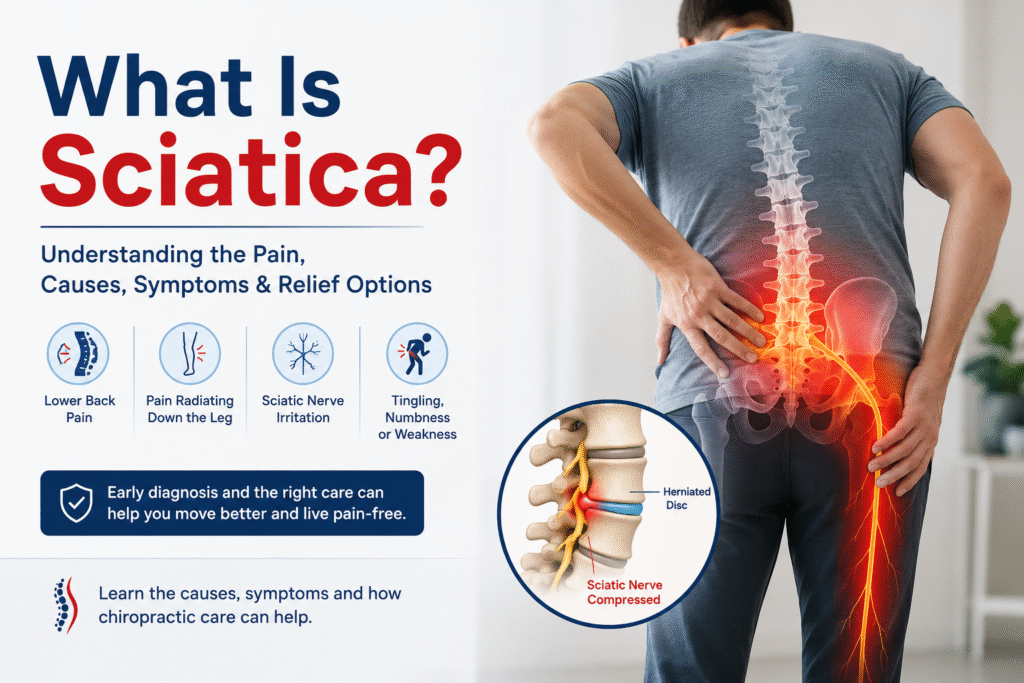
Sciatica refers to pain caused by irritation, inflammation, or compression of the sciatic nerve. Rather than being limited to the lower back, the pain typically follows the path of the nerve from the lower spine through the buttock and down the back of the leg.
The sciatic nerve begins in the lumbar spine and sacral region, combining several nerve roots before traveling through each leg. Because this nerve controls both sensation and muscle function in much of the lower limb, irritation can produce a variety of symptoms beyond pain alone.
When one or more nerve roots become compressed or irritated, pain signals travel along the sciatic nerve. As a result, discomfort is often felt in areas far away from the actual source of the problem.
Typical pain may travel through:
Many people are surprised that severe leg pain may actually originate from a problem in the lower spine.
Although they are sometimes confused, lower back pain and sciatica are not the same.
| Lower Back Pain | Sciatica |
|---|---|
| Usually stays in the back | Travels down one leg |
| Often muscular | Often nerve-related |
| May improve with rest | May worsen with prolonged sitting |
| Localized discomfort | Tingling, numbness, burning, or weakness may occur |
Understanding this difference is important because treatment depends on identifying the true source of symptoms.
Sciatica affects people differently. Some experience occasional discomfort, while others have persistent pain that limits daily activities.
Common symptoms include:
Many individuals notice aching or stiffness in the lumbar spine before leg symptoms begin.
Pain usually affects only one side and may extend from the buttock into the thigh, calf, or foot.
A tingling sensation often develops in the leg or foot due to nerve irritation.
Reduced sensation may occur in parts of the leg, ankle, or toes.
Some people describe the pain as burning, electric, or shooting rather than dull or aching.
Nerve compression can sometimes affect muscle control, making it difficult to lift the foot, climb stairs, or maintain balance.
Walking may become uncomfortable because of pain, weakness, or reduced flexibility.
Prolonged sitting frequently increases pressure on irritated spinal structures, making symptoms worse.
In some cases, actions that briefly increase spinal pressure can intensify symptoms.
Symptoms vary depending on which nerve root is affected and the underlying cause.
Sciatica is a symptom rather than a diagnosis. Identifying the underlying cause is an important part of developing an appropriate treatment plan.
One of the most common causes is a herniated disc. When the soft center of a spinal disc pushes through its outer layer, it may compress nearby nerve roots.
A disc bulge may narrow the space available for spinal nerves, contributing to irritation.
Spinal stenosis refers to narrowing of the spinal canal, which may place pressure on nerve structures, particularly in older adults.
The piriformis muscle, located deep in the buttock, can sometimes irritate the sciatic nerve, leading to pain that resembles sciatica.
Age-related changes in spinal discs may reduce cushioning and alter spinal mechanics, increasing the risk of nerve irritation.
Hormonal changes, altered posture, and increased body weight during pregnancy may contribute to sciatic-type symptoms in some women.
Long hours of sitting with poor posture can place additional stress on the lumbar spine.
Excess body weight increases mechanical stress on the spine and supporting structures.
Limited physical activity can contribute to reduced flexibility, weaker supporting muscles, and impaired spinal function.
People who regularly:
may have a higher risk of developing lower back problems that contribute to sciatica.
Many episodes of mild back pain improve within a few weeks. However, persistent sciatic symptoms deserve professional evaluation.
Consider scheduling an assessment if you experience:
A chiropractor can assess spinal movement, posture, joint function, and other factors to determine whether chiropractic care may be appropriate or whether referral for additional medical evaluation is needed.
Seek urgent medical evaluation immediately if you experience:
These symptoms may indicate a medical emergency and require prompt assessment.
For some individuals, chiropractic care for sciatica may be included as part of a conservative management plan. Treatment begins with identifying the likely source of symptoms rather than focusing only on pain relief.
The exact approach depends on the patient’s history, examination findings, and whether chiropractic treatment is considered appropriate.
A chiropractor typically reviews:
Additional imaging or referral may be recommended when clinically indicated.
When appropriate, gentle spinal adjustments may be used to improve joint mobility and support normal spinal movement. These techniques are selected based on the individual’s condition and are not appropriate for every patient.
Restricted joints in the lumbar spine, pelvis, or hips may contribute to altered movement patterns. Restoring mobility can support better function and may help reduce mechanical stress.
Treatment may also include techniques aimed at muscles and connective tissues surrounding the lower back, hips, and pelvis to reduce muscle tension and improve flexibility.
Exercises play an important role in recovery. A personalized program may include:
These exercises help support the spine and improve long-term function.
Poor posture may increase stress on the lumbar spine during sitting, standing, or lifting. Your chiropractor may recommend ergonomic adjustments and posture strategies tailored to your daily routine.
Recovery often extends beyond in-clinic treatment. Depending on your needs, advice may include:
A combination of hands-on care, exercise, education, and self-management strategies is commonly used to help patients improve mobility and return to daily activities while monitoring progress over time.
Educational Note: Chiropractic care may benefit some people with sciatica, but it is not appropriate for every cause of sciatic nerve pain. A thorough assessment helps determine whether chiropractic treatment is suitable or whether another form of medical evaluation or treatment is recommended.
For many people with sciatica, treatment goals include reducing pain, improving movement, and returning to normal daily activities. While results vary depending on the underlying cause and individual health factors, chiropractic care is often chosen because it focuses on conservative, non-surgical management.
Potential benefits may include:
It is important to remember that chiropractic care does not guarantee symptom resolution and may not be suitable for every cause of sciatic nerve pain. Your chiropractor will determine whether chiropractic treatment is appropriate based on a thorough assessment.
Not everyone with sciatica has the same lifestyle or underlying condition. A personalized evaluation helps determine whether chiropractic care may be appropriate.
Spending long hours sitting at a desk can increase pressure on the lower back and contribute to poor posture. Office professionals may benefit from ergonomic advice, movement strategies, and posture correction in addition to hands-on care.
Taxi drivers, delivery drivers, truck drivers, and commuters often sit for extended periods. Prolonged sitting can aggravate sciatic nerve symptoms in some people.
Running, weightlifting, cycling, and other sports may place repeated stress on the lumbar spine and hips. Chiropractic care may be combined with rehabilitation exercises to support movement and recovery.
Age-related spinal changes, such as degenerative disc disease or spinal stenosis, may contribute to sciatic symptoms. Older adults require an individualized assessment to determine the safest and most appropriate treatment options.
Pregnancy and the postpartum period can affect posture, pelvic alignment, and spinal mechanics. Some women experience sciatic-type symptoms during or after pregnancy. Treatment recommendations should always consider the individual’s medical history and stage of recovery.
Improper lifting techniques, excessive training, or inadequate recovery may contribute to lower back problems. Chiropractic care, combined with exercise modification and education, may help address movement-related issues.
Understanding the treatment process can help you feel more confident before your first appointment.
Your chiropractor will discuss:
This conversation helps identify factors that may be contributing to your condition.
The examination may include:
The goal is to understand the source of your symptoms rather than simply treating the pain.
Based on your history and examination, your chiropractor will explain:
If your symptoms suggest a condition requiring urgent medical evaluation or another specialist’s care, you should be referred accordingly.
Every treatment plan should be tailored to the individual and may include:
The number of visits varies depending on the individual’s condition, response to care, and treatment goals.
If clinically appropriate, your chiropractor may perform gentle spinal or joint adjustments designed to improve movement and reduce mechanical restrictions.
Not every patient requires spinal adjustments, and techniques are selected based on the person’s condition and comfort level.
Recovery does not end when you leave the clinic.
You may receive a customized exercise program that includes:
Consistency with home exercises often plays an important role in supporting recovery.
Progress is monitored regularly.
During follow-up appointments, your chiropractor may:
The treatment plan should evolve based on your progress and current needs.
Professional treatment is only one part of managing sciatica. Daily habits can also influence recovery.
Complete bed rest is generally not recommended for most cases of sciatica. Gentle movement, as tolerated, can help maintain mobility.
Short walks throughout the day may help reduce stiffness associated with prolonged sitting.
Gentle stretching of the hamstrings, hip muscles, and lower back may improve flexibility. Exercises should be recommended or approved by a healthcare professional to ensure they are appropriate for your condition.
When sitting:
Helpful sleeping positions may include:
Use either method for about 15–20 minutes at a time, protecting the skin from direct contact.
When lifting:
Adequate hydration supports overall health and may contribute to the health of spinal tissues.
Maintaining a healthy body weight can reduce mechanical stress on the lumbar spine.
Home exercises prescribed by your chiropractor or healthcare provider are an important part of long-term management.
Although not every case of sciatica can be prevented, healthy lifestyle habits may reduce the risk of developing certain spinal problems.
These habits can support spinal health and overall mobility over time.
If you are looking for Sciatica Chiropractic Treatment in Mumbai, choosing a clinic that provides a comprehensive assessment and personalized care plan is important.
Chiropractor Balasaheb offers a patient-focused approach that emphasizes careful evaluation, education, and conservative management for musculoskeletal conditions, including lower back pain and sciatica where appropriate.
Patients visiting the clinic can expect:
Rather than applying the same treatment to every patient, care is adapted based on symptoms, examination findings, medical history, and functional goals.
If additional medical evaluation, imaging, or referral is necessary, appropriate recommendations can be made as part of the clinical decision-making process.
To learn more about available services or to schedule a consultation, visit: chiropractorbalasaheb.com
An early assessment may help identify the cause of your symptoms and determine whether chiropractic care is an appropriate part of your treatment plan.
Chiropractic care may help some people with sciatica by improving joint mobility, addressing movement restrictions, recommending rehabilitation exercises, and providing education on posture and daily activities. The suitability of treatment depends on the underlying cause of your symptoms, so a thorough assessment is essential before beginning care.
When performed by a qualified chiropractor after an appropriate evaluation, chiropractic care is generally considered safe for many musculoskeletal conditions. However, it is not suitable for everyone. Certain medical conditions require alternative treatment or referral to another healthcare professional.
There is no fixed number of sessions. The treatment plan depends on factors such as the cause of sciatica, symptom severity, overall health, lifestyle, and your response to care. Your chiropractor will review your progress regularly and adjust recommendations as needed.
Most chiropractic techniques are well tolerated. Some people experience mild soreness after treatment, similar to what may occur after exercise. This usually settles within a day or two. If you have concerns, discuss them with your chiropractor before treatment begins.
No. Many people improve with conservative care such as activity modification, exercise, physical therapy, or chiropractic care when appropriate. Surgery is generally considered only for selected cases, particularly when severe neurological symptoms or certain structural problems are present.
Yes. Sciatica can recur, especially if underlying risk factors such as poor posture, prolonged sitting, weak core muscles, or repetitive strain are not addressed. Following your home exercise program and maintaining healthy movement habits may help reduce the risk of recurrence.
The most suitable exercises depend on the cause of your symptoms. Common recommendations may include gentle walking, core strengthening, hip mobility exercises, hamstring stretches, and glute strengthening. Avoid starting new exercises without professional guidance if your pain is severe.
Yes. Sitting for long periods can increase pressure on the lower back and may aggravate sciatic nerve irritation in some people. Taking regular standing and walking breaks, using proper lumbar support, and maintaining good posture may help.
For many people, gentle walking is a beneficial low-impact activity that supports circulation and mobility. However, if walking significantly increases your pain or causes worsening weakness, seek professional advice before continuing.
Recovery varies widely depending on the underlying condition, overall health, activity level, and treatment approach. Some people improve within a few weeks, while others require longer-term management. Your healthcare provider can give more individualized guidance after an assessment.
Poor posture can increase mechanical stress on the lumbar spine and surrounding muscles. Over time, this may contribute to conditions associated with sciatic symptoms. Improving posture is often included as part of a comprehensive management plan.
No. Some people seek chiropractic care for early symptoms such as stiffness, reduced mobility, or mild nerve-related discomfort. Early assessment may help identify contributing factors and support conservative management where appropriate.
Regular physical activity cannot guarantee prevention, but strengthening the core, maintaining flexibility, and staying active may reduce the risk of certain spinal problems associated with sciatica.
Seek urgent medical evaluation if you experience loss of bowel or bladder control, numbness in the saddle area, progressive leg weakness, severe pain following major trauma, or fever accompanied by severe back pain. These symptoms require prompt assessment.
Many people can continue working with temporary modifications, such as improving workstation ergonomics, taking movement breaks, or adjusting lifting techniques. The best approach depends on your symptoms and the physical demands of your job.
Yes. Depending on your healthcare team’s recommendations, chiropractic care may be combined with medical management, physiotherapy, exercise programs, and lifestyle modifications. Coordinated care is often beneficial for complex musculoskeletal conditions.
Not necessarily. Many cases can be assessed through a detailed history and physical examination. However, X-rays, MRI scans, or other investigations may be recommended if clinically indicated or if serious underlying conditions are suspected.
Yes. Maintaining a healthy weight, staying active, improving posture, using proper lifting techniques, and following a personalized exercise program may support spinal health and reduce mechanical stress on the lower back.
Sciatica can affect your comfort, mobility, work, and quality of life, but early evaluation and appropriate conservative care may help you manage symptoms more effectively. Understanding the underlying cause of your pain is the first step toward developing a treatment plan that supports your recovery.
If you are looking for Sciatica Chiropractic Treatment in Mumbai, consider scheduling a professional consultation to determine whether chiropractic care is appropriate for your condition. A comprehensive assessment can help identify contributing factors and guide a personalized management plan that may include chiropractic treatment, rehabilitation exercises, posture correction, and lifestyle advice.
Blog Written by: Kumkum Shinde | Digital Marketing & SEO Content Specialist.

